More than a third of babies thought to have a peanut allergy could safely lose the diagnosis
More than a third of babies thought to have a peanut allergy could safely lose the diagnosis
More than a third of babies thought to have a peanut allergy could safely lose the diagnosis
Key points
اہم نکات
मुख्य बातें
- More than a third of babies thought to have a peanut allergy could safely have the diagnosis removed, according to a new Australian study.
- Researchers tested 778 infants who had previously reacted to peanuts and had a positive allergy test, giving them gradually increasing amounts of peanut under strict medical supervision.
- About 35 percent, or 271 babies, showed no allergic reaction and could be considered peanut tolerant.
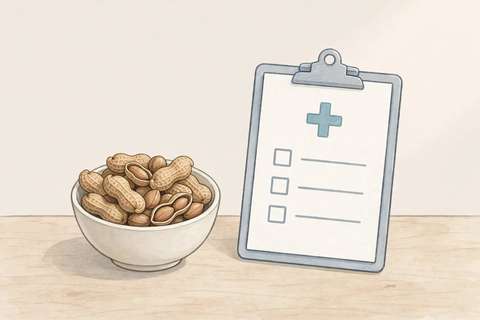
More than a third of babies thought to have a peanut allergy could safely have the diagnosis removed, according to a new Australian study. Researchers tested 778 infants who had previously reacted to peanuts and had a positive allergy test, giving them gradually increasing amounts of peanut under strict medical supervision. About 35 percent, or 271 babies, showed no allergic reaction and could be considered peanut tolerant. The researchers say an oral food challenge in a medical setting should be required before children are committed to long-term allergy treatment, noting that 12 percent of babies in the study had anaphylaxis during testing but all reactions were safely managed.
More than a third of babies thought to have a peanut allergy could safely have the diagnosis removed, according to a new Australian study. Researchers tested 778 infants who had previously reacted to peanuts and had a positive allergy test, giving them gradually increasing amounts of peanut under strict medical supervision. About 35 percent, or 271 babies, showed no allergic reaction and could be considered peanut tolerant. The researchers say an oral food challenge in a medical setting should be required before children are committed to long-term allergy treatment, noting that 12 percent of babies in the study had anaphylaxis during testing but all reactions were safely managed.
More than a third of babies thought to have a peanut allergy could safely have the diagnosis removed, according to a new Australian study. Researchers tested 778 infants who had previously reacted to peanuts and had a positive allergy test, giving them gradually increasing amounts of peanut under strict medical supervision. About 35 percent, or 271 babies, showed no allergic reaction and could be considered peanut tolerant. The researchers say an oral food challenge in a medical setting should be required before children are committed to long-term allergy treatment, noting that 12 percent of babies in the study had anaphylaxis during testing but all reactions were safely managed.
Most read
سب سے زیادہ پڑھی گئی
सबसे ज़्यादा पढ़ी गई
- Loading...
Get news in your inbox
خبریں اپنے ان باکس میں حاصل کریں
खबरें अपने इनबॉक्स में पाएं
One email when new stories are published. No spam, unsubscribe anytime.
نئی خبریں شائع ہونے پر ایک ای میل۔ کوئی سپیم نہیں، کسی بھی وقت ان سبسکرائب کریں۔
नई खबरें प्रकाशित होने पर एक ईमेल। कोई स्पैम नहीं, कभी भी अनसब्सक्राइब करें।