Ozone hole in 2026 is largest in a decade, but recovery stays on track
Ozone hole in 2026 is largest in a decade, but recovery stays on track
Ozone hole in 2026 is largest in a decade, but recovery stays on track
Key points
اہم نکات
मुख्य बातें
- The ozone hole over Antarctica in 2026 is the largest in a decade, according to a new report by NOAA and NASA carried by ABC News.
- It became the seventh largest in 48 years of monitoring, fuelled by an unusually powerful polar vortex, and reached its greatest extent on September 18 at 10.5 million square miles.
- Scientists stress this does not reverse the long-term recovery: limits on ozone-depleting chemicals have already kept the hole 1 to 2 million square miles smaller than it would otherwise have been, and full recovery is still expected by the 2070s.
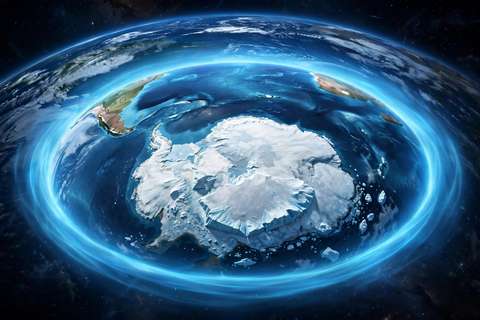
The ozone hole over Antarctica in 2026 is the largest in a decade, according to a new report by NOAA and NASA carried by ABC News. It became the seventh largest in 48 years of monitoring, fuelled by an unusually powerful polar vortex, and reached its greatest extent on September 18 at 10.5 million square miles. Scientists stress this does not reverse the long-term recovery: limits on ozone-depleting chemicals have already kept the hole 1 to 2 million square miles smaller than it would otherwise have been, and full recovery is still expected by the 2070s.
The ozone hole over Antarctica in 2026 is the largest in a decade, according to a new report by NOAA and NASA carried by ABC News. It became the seventh largest in 48 years of monitoring, fuelled by an unusually powerful polar vortex, and reached its greatest extent on September 18 at 10.5 million square miles. Scientists stress this does not reverse the long-term recovery: limits on ozone-depleting chemicals have already kept the hole 1 to 2 million square miles smaller than it would otherwise have been, and full recovery is still expected by the 2070s.
The ozone hole over Antarctica in 2026 is the largest in a decade, according to a new report by NOAA and NASA carried by ABC News. It became the seventh largest in 48 years of monitoring, fuelled by an unusually powerful polar vortex, and reached its greatest extent on September 18 at 10.5 million square miles. Scientists stress this does not reverse the long-term recovery: limits on ozone-depleting chemicals have already kept the hole 1 to 2 million square miles smaller than it would otherwise have been, and full recovery is still expected by the 2070s.
Most read
سب سے زیادہ پڑھی گئی
सबसे ज़्यादा पढ़ी गई
- Loading...
Get news in your inbox
خبریں اپنے ان باکس میں حاصل کریں
खबरें अपने इनबॉक्स में पाएं
One email when new stories are published. No spam, unsubscribe anytime.
نئی خبریں شائع ہونے پر ایک ای میل۔ کوئی سپیم نہیں، کسی بھی وقت ان سبسکرائب کریں۔
नई खबरें प्रकाशित होने पर एक ईमेल। कोई स्पैम नहीं, कभी भी अनसब्सक्राइब करें।