Giant extinct megapode identified from a single bone in Flores cave
Giant extinct megapode identified from a single bone in Flores cave
Giant extinct megapode identified from a single bone in Flores cave
Key points
اہم نکات
मुख्य बातें
- Scientists have identified a new extinct megapode bird, named Megapodius rokusi, from a single partial leg bone found in Liang Bua cave on the Indonesian island of Flores.
- The bird weighed about 3.9 kilograms, several times more than the orange-footed megapode living on Flores today, making it the largest known species in its genus.
- The bone came from sediments dated to roughly 190,000 to 120,000 years ago, and it is the first fossil megapode described from Wallacea, the island region between Asia and Australia.
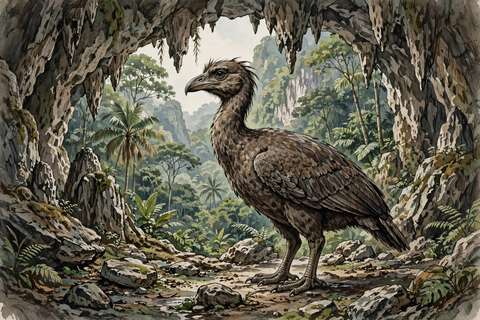
Scientists have identified a new extinct megapode bird, named Megapodius rokusi, from a single partial leg bone found in Liang Bua cave on the Indonesian island of Flores. The bird weighed about 3.9 kilograms, several times more than the orange-footed megapode living on Flores today, making it the largest known species in its genus. The bone came from sediments dated to roughly 190,000 to 120,000 years ago, and it is the first fossil megapode described from Wallacea, the island region between Asia and Australia. With no wing bones recovered, researchers cannot yet tell whether the giant bird could fly.
Scientists have identified a new extinct megapode bird, named Megapodius rokusi, from a single partial leg bone found in Liang Bua cave on the Indonesian island of Flores. The bird weighed about 3.9 kilograms, several times more than the orange-footed megapode living on Flores today, making it the largest known species in its genus. The bone came from sediments dated to roughly 190,000 to 120,000 years ago, and it is the first fossil megapode described from Wallacea, the island region between Asia and Australia. With no wing bones recovered, researchers cannot yet tell whether the giant bird could fly.
Scientists have identified a new extinct megapode bird, named Megapodius rokusi, from a single partial leg bone found in Liang Bua cave on the Indonesian island of Flores. The bird weighed about 3.9 kilograms, several times more than the orange-footed megapode living on Flores today, making it the largest known species in its genus. The bone came from sediments dated to roughly 190,000 to 120,000 years ago, and it is the first fossil megapode described from Wallacea, the island region between Asia and Australia. With no wing bones recovered, researchers cannot yet tell whether the giant bird could fly.
Most read
سب سے زیادہ پڑھی گئی
सबसे ज़्यादा पढ़ी गई
- Loading...
Get news in your inbox
خبریں اپنے ان باکس میں حاصل کریں
खबरें अपने इनबॉक्स में पाएं
One email when new stories are published. No spam, unsubscribe anytime.
نئی خبریں شائع ہونے پر ایک ای میل۔ کوئی سپیم نہیں، کسی بھی وقت ان سبسکرائب کریں۔
नई खबरें प्रकाशित होने पर एक ईमेल। कोई स्पैम नहीं, कभी भी अनसब्सक्राइब करें।