AI heart MRI measurements predict patient survival better than clinicians
AI heart MRI measurements predict patient survival better than clinicians
AI heart MRI measurements predict patient survival better than clinicians
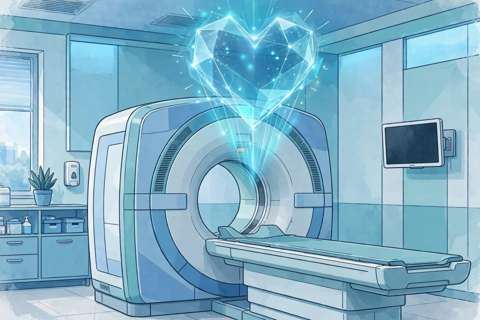
Key points
اہم نکات
मुख्य बातें
- Artificial intelligence measurements of heart function from MRI scans predicted how long patients would live more accurately than measurements made by experienced clinicians, according to research published in The Lancet Digital Health.
- The study, led by City St George's, University of London and University College London, analysed heart MRI scans from 27,382 patients in the UK and United States who were followed for more than five years on average.
- The AI tool measured ejection fraction, the key gauge of how well the heart pumps blood, in about two to three seconds per patient, and its readings were slightly but significantly better at identifying patients at higher risk of death.
Artificial intelligence measurements of heart function from MRI scans predicted how long patients would live more accurately than measurements made by experienced clinicians, according to research published in The Lancet Digital Health. The study, led by City St George's, University of London and University College London, analysed heart MRI scans from 27,382 patients in the UK and United States who were followed for more than five years on average. The AI tool measured ejection fraction, the key gauge of how well the heart pumps blood, in about two to three seconds per patient, and its readings were slightly but significantly better at identifying patients at higher risk of death. The researchers stress that human oversight remains essential, as AI errors were uncommon but still occurred.
Artificial intelligence measurements of heart function from MRI scans predicted how long patients would live more accurately than measurements made by experienced clinicians, according to research published in The Lancet Digital Health. The study, led by City St George's, University of London and University College London, analysed heart MRI scans from 27,382 patients in the UK and United States who were followed for more than five years on average. The AI tool measured ejection fraction, the key gauge of how well the heart pumps blood, in about two to three seconds per patient, and its readings were slightly but significantly better at identifying patients at higher risk of death. The researchers stress that human oversight remains essential, as AI errors were uncommon but still occurred.
Artificial intelligence measurements of heart function from MRI scans predicted how long patients would live more accurately than measurements made by experienced clinicians, according to research published in The Lancet Digital Health. The study, led by City St George's, University of London and University College London, analysed heart MRI scans from 27,382 patients in the UK and United States who were followed for more than five years on average. The AI tool measured ejection fraction, the key gauge of how well the heart pumps blood, in about two to three seconds per patient, and its readings were slightly but significantly better at identifying patients at higher risk of death. The researchers stress that human oversight remains essential, as AI errors were uncommon but still occurred.
Most read
سب سے زیادہ پڑھی گئی
सबसे ज़्यादा पढ़ी गई
- Loading...
Get news in your inbox
خبریں اپنے ان باکس میں حاصل کریں
खबरें अपने इनबॉक्स में पाएं
One email when new stories are published. No spam, unsubscribe anytime.
نئی خبریں شائع ہونے پر ایک ای میل۔ کوئی سپیم نہیں، کسی بھی وقت ان سبسکرائب کریں۔
नई खबरें प्रकाशित होने पर एक ईमेल। कोई स्पैम नहीं, कभी भी अनसब्सक्राइब करें।