No Material Can Ever Be 100% Transparent, Study Finds
No Material Can Ever Be 100% Transparent, Study Finds
No Material Can Ever Be 100% Transparent, Study Finds
Key points
اہم نکات
मुख्य बातें
- No material can ever be completely transparent, theoretical physicists have shown, because a quantum process turns light into sound as it passes through.
- Even a perfect material with no impurities at absolute zero would slowly lose light as photons decay into phonons, the researchers found in a preprint posted October 8.
- The effect is tiny — light could cross the diameter of the Earth through an ideal superfluid before fading noticeably — but it sets a hard quantum limit on transparency.
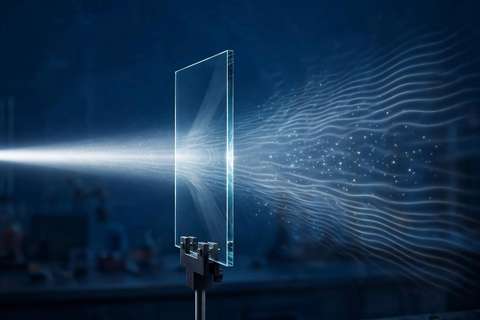
No material can ever be completely transparent, theoretical physicists have shown, because a quantum process turns light into sound as it passes through. Even a perfect material with no impurities at absolute zero would slowly lose light as photons decay into phonons, the researchers found in a preprint posted October 8. The effect is tiny — light could cross the diameter of the Earth through an ideal superfluid before fading noticeably — but it sets a hard quantum limit on transparency.
No material can ever be completely transparent, theoretical physicists have shown, because a quantum process turns light into sound as it passes through. Even a perfect material with no impurities at absolute zero would slowly lose light as photons decay into phonons, the researchers found in a preprint posted October 8. The effect is tiny — light could cross the diameter of the Earth through an ideal superfluid before fading noticeably — but it sets a hard quantum limit on transparency.
No material can ever be completely transparent, theoretical physicists have shown, because a quantum process turns light into sound as it passes through. Even a perfect material with no impurities at absolute zero would slowly lose light as photons decay into phonons, the researchers found in a preprint posted October 8. The effect is tiny — light could cross the diameter of the Earth through an ideal superfluid before fading noticeably — but it sets a hard quantum limit on transparency.
Most read
سب سے زیادہ پڑھی گئی
सबसे ज़्यादा पढ़ी गई
- Loading...
Get news in your inbox
خبریں اپنے ان باکس میں حاصل کریں
खबरें अपने इनबॉक्स में पाएं
One email when new stories are published. No spam, unsubscribe anytime.
نئی خبریں شائع ہونے پر ایک ای میل۔ کوئی سپیم نہیں، کسی بھی وقت ان سبسکرائب کریں۔
नई खबरें प्रकाशित होने पर एक ईमेल। कोई स्पैम नहीं, कभी भी अनसब्सक्राइब करें।