700 Feet Deep: Ghost-Particle Hunt in Lake Superior
700 Feet Deep: Ghost-Particle Hunt in Lake Superior
700 Feet Deep: Ghost-Particle Hunt in Lake Superior
Key points
اہم نکات
मुख्य बातें
- Five sensor towers are being lowered nearly 700 feet into Lake Superior, more than three miles off Two Harbors, Minnesota, to hunt ghost-like neutrinos fired from Fermilab near Chicago every 1.2 seconds.
- The Experimental Neutrino Detector project, led by the University of Minnesota Duluth, hopes to catch the first artificial neutrinos ever detected in water before the Fermilab beam shuts down in February 2027.
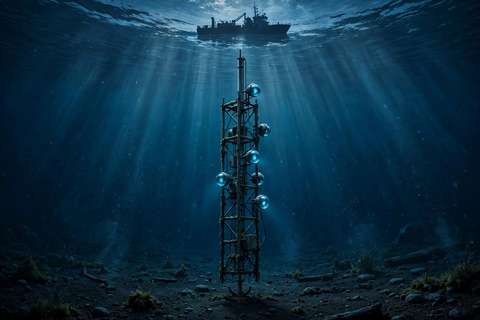
- The 238-foot research vessel Neil Armstrong is installing the towers, which carry photosensors that spot the faint light made when a neutrino hits an atom.
Five sensor towers are being lowered nearly 700 feet into Lake Superior, more than three miles off Two Harbors, Minnesota, to hunt ghost-like neutrinos fired from Fermilab near Chicago every 1.2 seconds. The Experimental Neutrino Detector project, led by the University of Minnesota Duluth, hopes to catch the first artificial neutrinos ever detected in water before the Fermilab beam shuts down in February 2027. The 238-foot research vessel Neil Armstrong is installing the towers, which carry photosensors that spot the faint light made when a neutrino hits an atom. The project, funded by DARPA with the US Department of Energy and national labs, could also one day help spot nuclear reactors from afar.
Five sensor towers are being lowered nearly 700 feet into Lake Superior, more than three miles off Two Harbors, Minnesota, to hunt ghost-like neutrinos fired from Fermilab near Chicago every 1.2 seconds. The Experimental Neutrino Detector project, led by the University of Minnesota Duluth, hopes to catch the first artificial neutrinos ever detected in water before the Fermilab beam shuts down in February 2027. The 238-foot research vessel Neil Armstrong is installing the towers, which carry photosensors that spot the faint light made when a neutrino hits an atom. The project, funded by DARPA with the US Department of Energy and national labs, could also one day help spot nuclear reactors from afar.
Five sensor towers are being lowered nearly 700 feet into Lake Superior, more than three miles off Two Harbors, Minnesota, to hunt ghost-like neutrinos fired from Fermilab near Chicago every 1.2 seconds. The Experimental Neutrino Detector project, led by the University of Minnesota Duluth, hopes to catch the first artificial neutrinos ever detected in water before the Fermilab beam shuts down in February 2027. The 238-foot research vessel Neil Armstrong is installing the towers, which carry photosensors that spot the faint light made when a neutrino hits an atom. The project, funded by DARPA with the US Department of Energy and national labs, could also one day help spot nuclear reactors from afar.
Most read
سب سے زیادہ پڑھی گئی
सबसे ज़्यादा पढ़ी गई
- Loading...
Get news in your inbox
خبریں اپنے ان باکس میں حاصل کریں
खबरें अपने इनबॉक्स में पाएं
One email when new stories are published. No spam, unsubscribe anytime.
نئی خبریں شائع ہونے پر ایک ای میل۔ کوئی سپیم نہیں، کسی بھی وقت ان سبسکرائب کریں۔
नई खबरें प्रकाशित होने पर एक ईमेल। कोई स्पैम नहीं, कभी भी अनसब्सक्राइब करें।