36-Foot Space Rock May Be Lost Soviet Probe
36-Foot Space Rock May Be Lost Soviet Probe
36-Foot Space Rock May Be Lost Soviet Probe
Key points
اہم نکات
मुख्य बातें
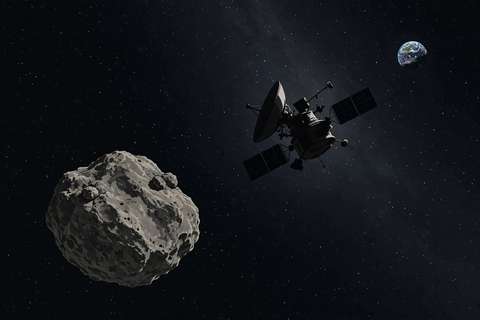
- A 36-foot space rock called 1998 KY26 is accelerating in a way gravity alone cannot explain, fuelling a theory that it could be the lost Soviet spacecraft Phobos 1, which fell silent on its way to Mars in 1988.
- A new Georgia Tech study in the journal Icarus casts doubt on the leading rival idea, that KY26 is a dark comet pushed by buried ice, finding the rock is likely too warm for the ice to survive.
- NASA chief Jared Isaacman says he has seen no evidence the object is anything but an asteroid and poses no threat to Earth.
A 36-foot space rock called 1998 KY26 is accelerating in a way gravity alone cannot explain, fuelling a theory that it could be the lost Soviet spacecraft Phobos 1, which fell silent on its way to Mars in 1988. A new Georgia Tech study in the journal Icarus casts doubt on the leading rival idea, that KY26 is a dark comet pushed by buried ice, finding the rock is likely too warm for the ice to survive. NASA chief Jared Isaacman says he has seen no evidence the object is anything but an asteroid and poses no threat to Earth. Japan's Hayabusa2 probe is due to visit KY26 in July 2031.
A 36-foot space rock called 1998 KY26 is accelerating in a way gravity alone cannot explain, fuelling a theory that it could be the lost Soviet spacecraft Phobos 1, which fell silent on its way to Mars in 1988. A new Georgia Tech study in the journal Icarus casts doubt on the leading rival idea, that KY26 is a dark comet pushed by buried ice, finding the rock is likely too warm for the ice to survive. NASA chief Jared Isaacman says he has seen no evidence the object is anything but an asteroid and poses no threat to Earth. Japan's Hayabusa2 probe is due to visit KY26 in July 2031.
A 36-foot space rock called 1998 KY26 is accelerating in a way gravity alone cannot explain, fuelling a theory that it could be the lost Soviet spacecraft Phobos 1, which fell silent on its way to Mars in 1988. A new Georgia Tech study in the journal Icarus casts doubt on the leading rival idea, that KY26 is a dark comet pushed by buried ice, finding the rock is likely too warm for the ice to survive. NASA chief Jared Isaacman says he has seen no evidence the object is anything but an asteroid and poses no threat to Earth. Japan's Hayabusa2 probe is due to visit KY26 in July 2031.
Most read
سب سے زیادہ پڑھی گئی
सबसे ज़्यादा पढ़ी गई
- Loading...
Get news in your inbox
خبریں اپنے ان باکس میں حاصل کریں
खबरें अपने इनबॉक्स में पाएं
One email when new stories are published. No spam, unsubscribe anytime.
نئی خبریں شائع ہونے پر ایک ای میل۔ کوئی سپیم نہیں، کسی بھی وقت ان سبسکرائب کریں۔
नई खबरें प्रकाशित होने पर एक ईमेल। कोई स्पैम नहीं, कभी भी अनसब्सक्राइब करें।