7% of Mildew Samples Hid a Parasite Fungus
7% of Mildew Samples Hid a Parasite Fungus
7% of Mildew Samples Hid a Parasite Fungus
Key points
اہم نکات
मुख्य बातें
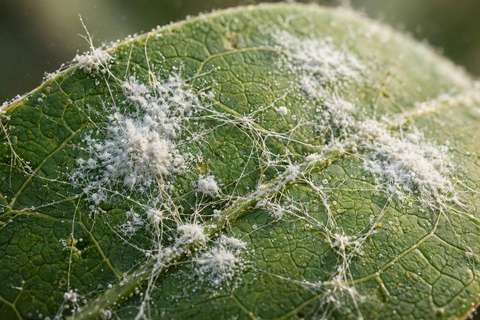
- 7% of powdery mildew specimens in a 150-year-old herbarium collection were infected by a fungus that parasitises the parasite — and about 15% of specimens labelled as that fungus were misidentified.
- Researchers at North Carolina State University screened more than 600 dried mildew samples, because powdery mildews cannot be grown in a lab, to measure how common the hyperparasite Ampelomyces really is.
- Ampelomyces grows inside the mildew that attacks plants, and understanding it could lead to better ways of controlling crop disease without chemicals.
7% of powdery mildew specimens in a 150-year-old herbarium collection were infected by a fungus that parasitises the parasite — and about 15% of specimens labelled as that fungus were misidentified. Researchers at North Carolina State University screened more than 600 dried mildew samples, because powdery mildews cannot be grown in a lab, to measure how common the hyperparasite Ampelomyces really is. Ampelomyces grows inside the mildew that attacks plants, and understanding it could lead to better ways of controlling crop disease without chemicals. The team says museum collections hold hidden records of ecological interactions that no one had thought to look for.
7% of powdery mildew specimens in a 150-year-old herbarium collection were infected by a fungus that parasitises the parasite — and about 15% of specimens labelled as that fungus were misidentified. Researchers at North Carolina State University screened more than 600 dried mildew samples, because powdery mildews cannot be grown in a lab, to measure how common the hyperparasite Ampelomyces really is. Ampelomyces grows inside the mildew that attacks plants, and understanding it could lead to better ways of controlling crop disease without chemicals. The team says museum collections hold hidden records of ecological interactions that no one had thought to look for.
7% of powdery mildew specimens in a 150-year-old herbarium collection were infected by a fungus that parasitises the parasite — and about 15% of specimens labelled as that fungus were misidentified. Researchers at North Carolina State University screened more than 600 dried mildew samples, because powdery mildews cannot be grown in a lab, to measure how common the hyperparasite Ampelomyces really is. Ampelomyces grows inside the mildew that attacks plants, and understanding it could lead to better ways of controlling crop disease without chemicals. The team says museum collections hold hidden records of ecological interactions that no one had thought to look for.
Most read
سب سے زیادہ پڑھی گئی
सबसे ज़्यादा पढ़ी गई
- Loading...
Get news in your inbox
خبریں اپنے ان باکس میں حاصل کریں
खबरें अपने इनबॉक्स में पाएं
One email when new stories are published. No spam, unsubscribe anytime.
نئی خبریں شائع ہونے پر ایک ای میل۔ کوئی سپیم نہیں، کسی بھی وقت ان سبسکرائب کریں۔
नई खबरें प्रकाशित होने पर एक ईमेल। कोई स्पैम नहीं, कभी भी अनसब्सक्राइब करें।