3D-printed tungsten survives 74 plasma blasts in US fusion reactor
3D-printed tungsten survives 74 plasma blasts in US fusion reactor
3D-printed tungsten survives 74 plasma blasts in US fusion reactor
Key points
اہم نکات
मुख्य बातें
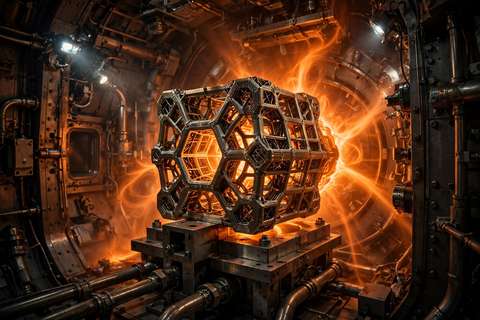
- A 3D-printed tungsten part built to withstand temperatures of 2,552 degrees Fahrenheit has survived 74 plasma blasts inside a US nuclear fusion reactor, Interesting Engineering reports.
- Tungsten is one of the toughest materials for fusion reactors because it must endure extreme heat, but it is notoriously hard to shape.
- The test shows 3D printing can produce parts strong enough for the inside of a reactor, a step towards fusion machines that last longer and need fewer repairs.
A 3D-printed tungsten part built to withstand temperatures of 2,552 degrees Fahrenheit has survived 74 plasma blasts inside a US nuclear fusion reactor, Interesting Engineering reports. Tungsten is one of the toughest materials for fusion reactors because it must endure extreme heat, but it is notoriously hard to shape. The test shows 3D printing can produce parts strong enough for the inside of a reactor, a step towards fusion machines that last longer and need fewer repairs.
A 3D-printed tungsten part built to withstand temperatures of 2,552 degrees Fahrenheit has survived 74 plasma blasts inside a US nuclear fusion reactor, Interesting Engineering reports. Tungsten is one of the toughest materials for fusion reactors because it must endure extreme heat, but it is notoriously hard to shape. The test shows 3D printing can produce parts strong enough for the inside of a reactor, a step towards fusion machines that last longer and need fewer repairs.
A 3D-printed tungsten part built to withstand temperatures of 2,552 degrees Fahrenheit has survived 74 plasma blasts inside a US nuclear fusion reactor, Interesting Engineering reports. Tungsten is one of the toughest materials for fusion reactors because it must endure extreme heat, but it is notoriously hard to shape. The test shows 3D printing can produce parts strong enough for the inside of a reactor, a step towards fusion machines that last longer and need fewer repairs.
Most read
سب سے زیادہ پڑھی گئی
सबसे ज़्यादा पढ़ी गई
- Loading...
Get news in your inbox
خبریں اپنے ان باکس میں حاصل کریں
खबरें अपने इनबॉक्स में पाएं
One email when new stories are published. No spam, unsubscribe anytime.
نئی خبریں شائع ہونے پر ایک ای میل۔ کوئی سپیم نہیں، کسی بھی وقت ان سبسکرائب کریں۔
नई खबरें प्रकाशित होने पर एक ईमेल। कोई स्पैम नहीं, कभी भी अनसब्सक्राइब करें।