Lost NASA Telescope’s Best Photo of Andromeda
Lost NASA Telescope’s Best Photo of Andromeda
Lost NASA Telescope’s Best Photo of Andromeda
Key points
اہم نکات
मुख्य बातें
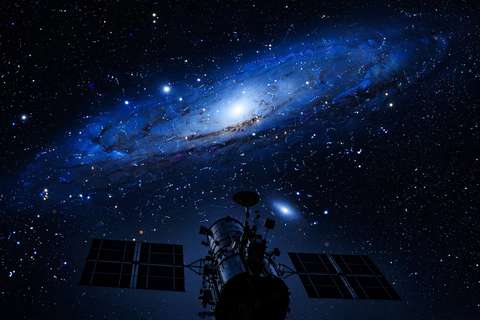
- NASA’s Neil Gehrels Swift Observatory, which burned up over Sumatra on November 4 after 22 years in space, left behind one of the best-ever portraits of the Andromeda galaxy.
- The ultraviolet image was built from 330 exposures taken in 2008 and reveals about 20,000 sources of hot, young stars in the galaxy 2.5 million light-years away — a galaxy slowly heading toward a collision with our own Milky Way.
NASA’s Neil Gehrels Swift Observatory, which burned up over Sumatra on November 4 after 22 years in space, left behind one of the best-ever portraits of the Andromeda galaxy. The ultraviolet image was built from 330 exposures taken in 2008 and reveals about 20,000 sources of hot, young stars in the galaxy 2.5 million light-years away — a galaxy slowly heading toward a collision with our own Milky Way.
NASA’s Neil Gehrels Swift Observatory, which burned up over Sumatra on November 4 after 22 years in space, left behind one of the best-ever portraits of the Andromeda galaxy. The ultraviolet image was built from 330 exposures taken in 2008 and reveals about 20,000 sources of hot, young stars in the galaxy 2.5 million light-years away — a galaxy slowly heading toward a collision with our own Milky Way.
NASA’s Neil Gehrels Swift Observatory, which burned up over Sumatra on November 4 after 22 years in space, left behind one of the best-ever portraits of the Andromeda galaxy. The ultraviolet image was built from 330 exposures taken in 2008 and reveals about 20,000 sources of hot, young stars in the galaxy 2.5 million light-years away — a galaxy slowly heading toward a collision with our own Milky Way.
Most read
سب سے زیادہ پڑھی گئی
सबसे ज़्यादा पढ़ी गई
- Loading...
Get news in your inbox
خبریں اپنے ان باکس میں حاصل کریں
खबरें अपने इनबॉक्स में पाएं
One email when new stories are published. No spam, unsubscribe anytime.
نئی خبریں شائع ہونے پر ایک ای میل۔ کوئی سپیم نہیں، کسی بھی وقت ان سبسکرائب کریں۔
नई खबरें प्रकाशित होने पर एक ईमेल। कोई स्पैम नहीं, कभी भी अनसब्सक्राइब करें।