Scientists find two enormous tears in a tectonic plate beneath Iran
Scientists find two enormous tears in a tectonic plate beneath Iran
Scientists find two enormous tears in a tectonic plate beneath Iran
Key points
اہم نکات
मुख्य बातें
- Scientists have found extensive evidence of two giant tears in the Arabian tectonic plate beneath south-eastern Iran, ScienceAlert reports.
- A team led by the Chinese Academy of Sciences studied data from 69 seismic stations that recorded distant earthquakes between March 2017 and September 2018.
- They found one horizontal tear where the Zagros collision zone meets the Makran subduction zone, and a smaller vertical tear closer to the surface near the Makran Trench.
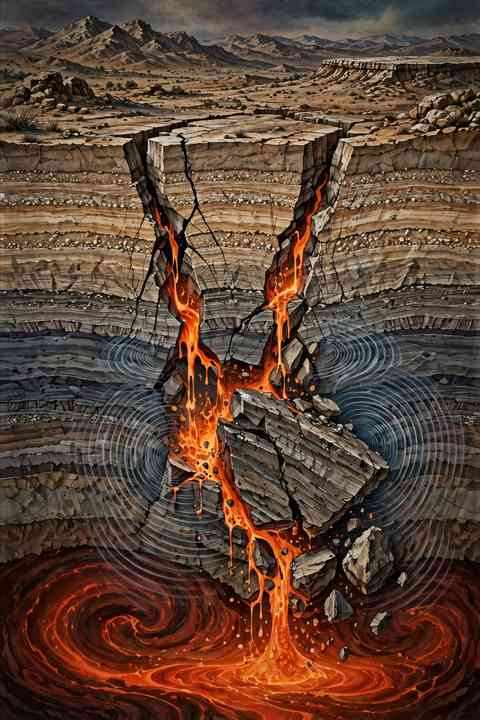
Scientists have found extensive evidence of two giant tears in the Arabian tectonic plate beneath south-eastern Iran, ScienceAlert reports. A team led by the Chinese Academy of Sciences studied data from 69 seismic stations that recorded distant earthquakes between March 2017 and September 2018. They found one horizontal tear where the Zagros collision zone meets the Makran subduction zone, and a smaller vertical tear closer to the surface near the Makran Trench. The tears formed because different parts of the plate have different rock densities: the oceanic slab in the Makran zone has sunk at least 450 kilometres deep, while the continental rock in the Zagros zone has sunk no deeper than 300 kilometres. The findings, published in Nature Geoscience, give scientists a new view of how oceans disappear and continents collide, and the researchers believe the two tears will eventually join.
Scientists have found extensive evidence of two giant tears in the Arabian tectonic plate beneath south-eastern Iran, ScienceAlert reports. A team led by the Chinese Academy of Sciences studied data from 69 seismic stations that recorded distant earthquakes between March 2017 and September 2018. They found one horizontal tear where the Zagros collision zone meets the Makran subduction zone, and a smaller vertical tear closer to the surface near the Makran Trench. The tears formed because different parts of the plate have different rock densities: the oceanic slab in the Makran zone has sunk at least 450 kilometres deep, while the continental rock in the Zagros zone has sunk no deeper than 300 kilometres. The findings, published in Nature Geoscience, give scientists a new view of how oceans disappear and continents collide, and the researchers believe the two tears will eventually join.
Scientists have found extensive evidence of two giant tears in the Arabian tectonic plate beneath south-eastern Iran, ScienceAlert reports. A team led by the Chinese Academy of Sciences studied data from 69 seismic stations that recorded distant earthquakes between March 2017 and September 2018. They found one horizontal tear where the Zagros collision zone meets the Makran subduction zone, and a smaller vertical tear closer to the surface near the Makran Trench. The tears formed because different parts of the plate have different rock densities: the oceanic slab in the Makran zone has sunk at least 450 kilometres deep, while the continental rock in the Zagros zone has sunk no deeper than 300 kilometres. The findings, published in Nature Geoscience, give scientists a new view of how oceans disappear and continents collide, and the researchers believe the two tears will eventually join.
Most read
سب سے زیادہ پڑھی گئی
सबसे ज़्यादा पढ़ी गई
- Loading...
Get news in your inbox
خبریں اپنے ان باکس میں حاصل کریں
खबरें अपने इनबॉक्स में पाएं
One email when new stories are published. No spam, unsubscribe anytime.
نئی خبریں شائع ہونے پر ایک ای میل۔ کوئی سپیم نہیں، کسی بھی وقت ان سبسکرائب کریں۔
नई खबरें प्रकाशित होने पर एक ईमेल। कोई स्पैम नहीं, कभी भी अनसब्सक्राइब करें।