Roman Telescope to Last 12 Extra Years, See 30% Sharper
Roman Telescope to Last 12 Extra Years, See 30% Sharper
Roman Telescope to Last 12 Extra Years, See 30% Sharper
Key points
اہم نکات
मुख्य बातें
- NASA's Roman Space Telescope could keep working 12 years longer than planned — and see about 30 percent sharper than engineers expected.
- Precise launch manoeuvres saved so much fuel that the observatory, launched on 30 August 2026 aboard a SpaceX Falcon Heavy, may still be observing in 2048, well past its planned 10-year mission.
- Tests during its trip to a point 1.5 million kilometres from Earth showed its main camera beating its image-quality requirement by nearly 30 percent after engineers fine-tuned its mirror.
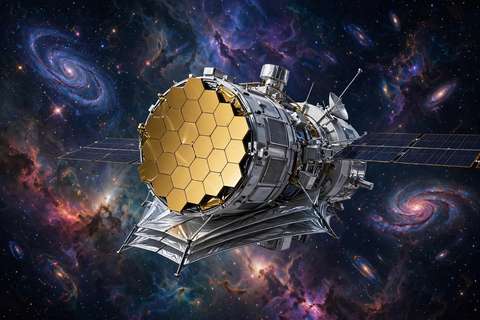
NASA's Roman Space Telescope could keep working 12 years longer than planned — and see about 30 percent sharper than engineers expected. Precise launch manoeuvres saved so much fuel that the observatory, launched on 30 August 2026 aboard a SpaceX Falcon Heavy, may still be observing in 2048, well past its planned 10-year mission. Tests during its trip to a point 1.5 million kilometres from Earth showed its main camera beating its image-quality requirement by nearly 30 percent after engineers fine-tuned its mirror. With a view at least 100 times wider than Hubble's, Roman is built to survey up to a billion galaxies and probe dark energy and dark matter.
NASA's Roman Space Telescope could keep working 12 years longer than planned — and see about 30 percent sharper than engineers expected. Precise launch manoeuvres saved so much fuel that the observatory, launched on 30 August 2026 aboard a SpaceX Falcon Heavy, may still be observing in 2048, well past its planned 10-year mission. Tests during its trip to a point 1.5 million kilometres from Earth showed its main camera beating its image-quality requirement by nearly 30 percent after engineers fine-tuned its mirror. With a view at least 100 times wider than Hubble's, Roman is built to survey up to a billion galaxies and probe dark energy and dark matter.
NASA's Roman Space Telescope could keep working 12 years longer than planned — and see about 30 percent sharper than engineers expected. Precise launch manoeuvres saved so much fuel that the observatory, launched on 30 August 2026 aboard a SpaceX Falcon Heavy, may still be observing in 2048, well past its planned 10-year mission. Tests during its trip to a point 1.5 million kilometres from Earth showed its main camera beating its image-quality requirement by nearly 30 percent after engineers fine-tuned its mirror. With a view at least 100 times wider than Hubble's, Roman is built to survey up to a billion galaxies and probe dark energy and dark matter.
Most read
سب سے زیادہ پڑھی گئی
सबसे ज़्यादा पढ़ी गई
- Loading...
Get news in your inbox
خبریں اپنے ان باکس میں حاصل کریں
खबरें अपने इनबॉक्स में पाएं
One email when new stories are published. No spam, unsubscribe anytime.
نئی خبریں شائع ہونے پر ایک ای میل۔ کوئی سپیم نہیں، کسی بھی وقت ان سبسکرائب کریں۔
नई खबरें प्रकाशित होने पर एक ईमेल। कोई स्पैम नहीं, कभी भी अनसब्सक्राइब करें।