Neanderthals Had Flatter, Flexible Feet
Neanderthals Had Flatter, Flexible Feet
Neanderthals Had Flatter, Flexible Feet
Key points
اہم نکات
मुख्य बातें
- Neanderthals walked with flatter, more flexible feet than modern humans, a new study of fossil heel bones suggests.
- Researchers at the University of Bologna scanned seven Neanderthal heel bones and compared them with 64 modern human ones, finding shorter, wider heels and a lower arch that rolled inward, a build that helped carry heavy bodies steadily over rough ground.
- The study, published in the Journal of Human Evolution, also found modern city dwellers have slimmer, more delicate heel bones than our hunter-gatherer ancestors, likely because of shoes and less active lives.
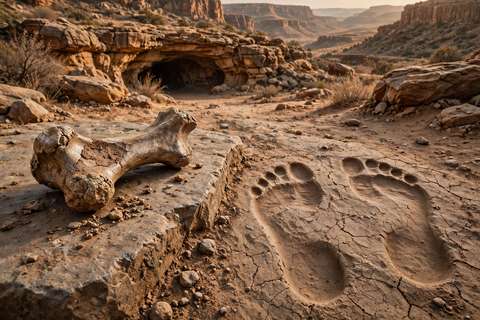
Neanderthals walked with flatter, more flexible feet than modern humans, a new study of fossil heel bones suggests. Researchers at the University of Bologna scanned seven Neanderthal heel bones and compared them with 64 modern human ones, finding shorter, wider heels and a lower arch that rolled inward, a build that helped carry heavy bodies steadily over rough ground. The study, published in the Journal of Human Evolution, also found modern city dwellers have slimmer, more delicate heel bones than our hunter-gatherer ancestors, likely because of shoes and less active lives.
Neanderthals walked with flatter, more flexible feet than modern humans, a new study of fossil heel bones suggests. Researchers at the University of Bologna scanned seven Neanderthal heel bones and compared them with 64 modern human ones, finding shorter, wider heels and a lower arch that rolled inward, a build that helped carry heavy bodies steadily over rough ground. The study, published in the Journal of Human Evolution, also found modern city dwellers have slimmer, more delicate heel bones than our hunter-gatherer ancestors, likely because of shoes and less active lives.
Neanderthals walked with flatter, more flexible feet than modern humans, a new study of fossil heel bones suggests. Researchers at the University of Bologna scanned seven Neanderthal heel bones and compared them with 64 modern human ones, finding shorter, wider heels and a lower arch that rolled inward, a build that helped carry heavy bodies steadily over rough ground. The study, published in the Journal of Human Evolution, also found modern city dwellers have slimmer, more delicate heel bones than our hunter-gatherer ancestors, likely because of shoes and less active lives.
Most read
سب سے زیادہ پڑھی گئی
सबसे ज़्यादा पढ़ी गई
- Loading...
Get news in your inbox
خبریں اپنے ان باکس میں حاصل کریں
खबरें अपने इनबॉक्स में पाएं
One email when new stories are published. No spam, unsubscribe anytime.
نئی خبریں شائع ہونے پر ایک ای میل۔ کوئی سپیم نہیں، کسی بھی وقت ان سبسکرائب کریں۔
नई खबरें प्रकाशित होने पर एक ईमेल। कोई स्पैम नहीं, कभी भी अनसब्सक्राइब करें।