Neanderthals used wood for tools, shelters — and possibly a killing spear
Neanderthals used wood for tools, shelters — and possibly a killing spear
Neanderthals used wood for tools, shelters — and possibly a killing spear
Key points
اہم نکات
मुख्य बातें
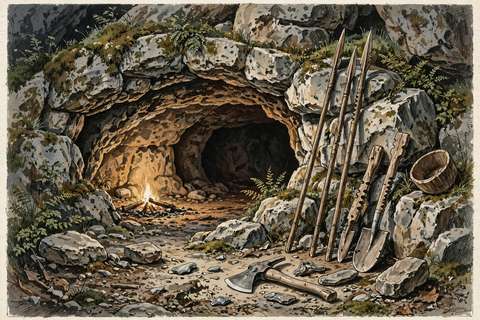
- New research shows Neanderthals made far more use of wood than the surviving record suggests, shaping it into tools, possible weapons and parts of shelters and camp structures.
- Hundreds of wooden traces found at a rock shelter in Spain point to wood being used to organise living spaces around hearths as well as for everyday tasks.
- Separately, the remains of a Neanderthal known as Shanidar A, found in a cave in Iraqi Kurdistan and about 75,000 years old, carry a round hole in the shoulder blade that researchers say was likely made by a sharpened wooden spear — possibly the earliest known case of one hominin killing another with a wooden spear, though a hunting accident cannot be ruled out.
New research shows Neanderthals made far more use of wood than the surviving record suggests, shaping it into tools, possible weapons and parts of shelters and camp structures. Hundreds of wooden traces found at a rock shelter in Spain point to wood being used to organise living spaces around hearths as well as for everyday tasks. Separately, the remains of a Neanderthal known as Shanidar A, found in a cave in Iraqi Kurdistan and about 75,000 years old, carry a round hole in the shoulder blade that researchers say was likely made by a sharpened wooden spear — possibly the earliest known case of one hominin killing another with a wooden spear, though a hunting accident cannot be ruled out.
New research shows Neanderthals made far more use of wood than the surviving record suggests, shaping it into tools, possible weapons and parts of shelters and camp structures. Hundreds of wooden traces found at a rock shelter in Spain point to wood being used to organise living spaces around hearths as well as for everyday tasks. Separately, the remains of a Neanderthal known as Shanidar A, found in a cave in Iraqi Kurdistan and about 75,000 years old, carry a round hole in the shoulder blade that researchers say was likely made by a sharpened wooden spear — possibly the earliest known case of one hominin killing another with a wooden spear, though a hunting accident cannot be ruled out.
New research shows Neanderthals made far more use of wood than the surviving record suggests, shaping it into tools, possible weapons and parts of shelters and camp structures. Hundreds of wooden traces found at a rock shelter in Spain point to wood being used to organise living spaces around hearths as well as for everyday tasks. Separately, the remains of a Neanderthal known as Shanidar A, found in a cave in Iraqi Kurdistan and about 75,000 years old, carry a round hole in the shoulder blade that researchers say was likely made by a sharpened wooden spear — possibly the earliest known case of one hominin killing another with a wooden spear, though a hunting accident cannot be ruled out.
Most read
سب سے زیادہ پڑھی گئی
सबसे ज़्यादा पढ़ी गई
- Loading...
Get news in your inbox
خبریں اپنے ان باکس میں حاصل کریں
खबरें अपने इनबॉक्स में पाएं
One email when new stories are published. No spam, unsubscribe anytime.
نئی خبریں شائع ہونے پر ایک ای میل۔ کوئی سپیم نہیں، کسی بھی وقت ان سبسکرائب کریں۔
नई खबरें प्रकाशित होने पर एक ईमेल। कोई स्पैम नहीं, कभी भी अनसब्सक्राइब करें।