Woven Molecular Fabric Filters Toxic Benzene
Woven Molecular Fabric Filters Toxic Benzene
Woven Molecular Fabric Filters Toxic Benzene
Key points
اہم نکات
मुख्य बातें
- Scientists in the United States and China have woven a molecular fabric that can pull a toxic chemical out of industrial mixtures using far less energy than today's heat-based methods.
- The material, made of four interlocking molecular networks, was tested on a half-and-half mix of benzene and cyclohexane — two chemicals with almost identical boiling points that are hard to separate — and absorbed 97.9 percent of the benzene.
- The fabric can be heated to release the trapped chemical and used again.
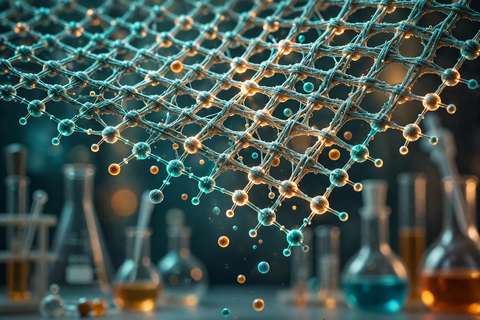
Scientists in the United States and China have woven a molecular fabric that can pull a toxic chemical out of industrial mixtures using far less energy than today's heat-based methods. The material, made of four interlocking molecular networks, was tested on a half-and-half mix of benzene and cyclohexane — two chemicals with almost identical boiling points that are hard to separate — and absorbed 97.9 percent of the benzene. The fabric can be heated to release the trapped chemical and used again. The team, from the University of Texas at Austin and Zhejiang University, published the work in Nature, and says the approach could cut energy use in making nylon, paint and foams if it can be scaled up.
Scientists in the United States and China have woven a molecular fabric that can pull a toxic chemical out of industrial mixtures using far less energy than today's heat-based methods. The material, made of four interlocking molecular networks, was tested on a half-and-half mix of benzene and cyclohexane — two chemicals with almost identical boiling points that are hard to separate — and absorbed 97.9 percent of the benzene. The fabric can be heated to release the trapped chemical and used again. The team, from the University of Texas at Austin and Zhejiang University, published the work in Nature, and says the approach could cut energy use in making nylon, paint and foams if it can be scaled up.
Scientists in the United States and China have woven a molecular fabric that can pull a toxic chemical out of industrial mixtures using far less energy than today's heat-based methods. The material, made of four interlocking molecular networks, was tested on a half-and-half mix of benzene and cyclohexane — two chemicals with almost identical boiling points that are hard to separate — and absorbed 97.9 percent of the benzene. The fabric can be heated to release the trapped chemical and used again. The team, from the University of Texas at Austin and Zhejiang University, published the work in Nature, and says the approach could cut energy use in making nylon, paint and foams if it can be scaled up.
Most read
سب سے زیادہ پڑھی گئی
सबसे ज़्यादा पढ़ी गई
- Loading...
Get news in your inbox
خبریں اپنے ان باکس میں حاصل کریں
खबरें अपने इनबॉक्स में पाएं
One email when new stories are published. No spam, unsubscribe anytime.
نئی خبریں شائع ہونے پر ایک ای میل۔ کوئی سپیم نہیں، کسی بھی وقت ان سبسکرائب کریں۔
नई खबरें प्रकाशित होने पर एक ईमेल। कोई स्पैम नहीं, कभी भी अनसब्सक्राइब करें।