One AI Model Simulates Sand, Water and Proteins
One AI Model Simulates Sand, Water and Proteins
One AI Model Simulates Sand, Water and Proteins
Key points
اہم نکات
मुख्य बातें
- Researchers at MIT and the University of British Columbia have built a single AI system, called WorldParticle, that can simulate many different materials - from sliding sand to folding proteins - with one model instead of a separate simulator for each.
- The system treats every material as tiny particles and predicts where each one moves next.
- In tests across six phenomena it beat standard numerical methods, modelling protein folding about 100 times faster.
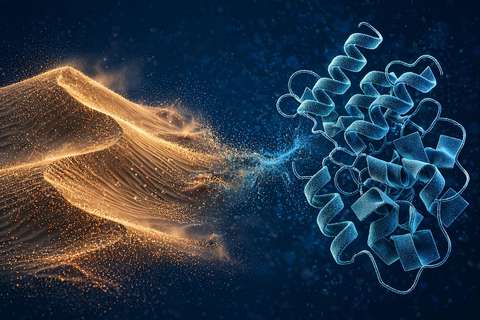
Researchers at MIT and the University of British Columbia have built a single AI system, called WorldParticle, that can simulate many different materials - from sliding sand to folding proteins - with one model instead of a separate simulator for each. The system treats every material as tiny particles and predicts where each one moves next. In tests across six phenomena it beat standard numerical methods, modelling protein folding about 100 times faster. The team hopes the approach, to be presented at the SIGGRAPH Asia conference, will help design soft robots, medicines and new materials.
Researchers at MIT and the University of British Columbia have built a single AI system, called WorldParticle, that can simulate many different materials - from sliding sand to folding proteins - with one model instead of a separate simulator for each. The system treats every material as tiny particles and predicts where each one moves next. In tests across six phenomena it beat standard numerical methods, modelling protein folding about 100 times faster. The team hopes the approach, to be presented at the SIGGRAPH Asia conference, will help design soft robots, medicines and new materials.
Researchers at MIT and the University of British Columbia have built a single AI system, called WorldParticle, that can simulate many different materials - from sliding sand to folding proteins - with one model instead of a separate simulator for each. The system treats every material as tiny particles and predicts where each one moves next. In tests across six phenomena it beat standard numerical methods, modelling protein folding about 100 times faster. The team hopes the approach, to be presented at the SIGGRAPH Asia conference, will help design soft robots, medicines and new materials.
Most read
سب سے زیادہ پڑھی گئی
सबसे ज़्यादा पढ़ी गई
- Loading...
Get news in your inbox
خبریں اپنے ان باکس میں حاصل کریں
खबरें अपने इनबॉक्स में पाएं
One email when new stories are published. No spam, unsubscribe anytime.
نئی خبریں شائع ہونے پر ایک ای میل۔ کوئی سپیم نہیں، کسی بھی وقت ان سبسکرائب کریں۔
नई खबरें प्रकाशित होने पर एक ईमेल। कोई स्पैम नहीं, कभी भी अनसब्सक्राइब करें।