Webb telescope may have found where heavy black hole seeds formed
Webb telescope may have found where heavy black hole seeds formed
Webb telescope may have found where heavy black hole seeds formed
Key points
اہم نکات
मुख्य बातें
- The James Webb Space Telescope may have found where the seeds of heavy black holes formed, in dense young star clusters inside two early galaxies, the Cosmic Gems arc and Firefly Sparkle.
- Researchers say runaway collisions inside these compact, metal-poor clusters could have forged intermediate-mass black holes of hundreds to thousands of suns, which later grew into the supermassive black holes seen in the early universe.
- The study does not claim a direct detection — it identifies a plausible birthplace.
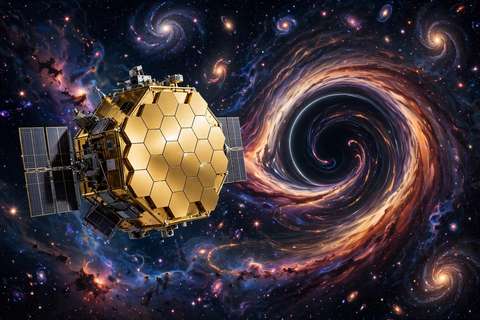
The James Webb Space Telescope may have found where the seeds of heavy black holes formed, in dense young star clusters inside two early galaxies, the Cosmic Gems arc and Firefly Sparkle. Researchers say runaway collisions inside these compact, metal-poor clusters could have forged intermediate-mass black holes of hundreds to thousands of suns, which later grew into the supermassive black holes seen in the early universe. The study does not claim a direct detection — it identifies a plausible birthplace.
The James Webb Space Telescope may have found where the seeds of heavy black holes formed, in dense young star clusters inside two early galaxies, the Cosmic Gems arc and Firefly Sparkle. Researchers say runaway collisions inside these compact, metal-poor clusters could have forged intermediate-mass black holes of hundreds to thousands of suns, which later grew into the supermassive black holes seen in the early universe. The study does not claim a direct detection — it identifies a plausible birthplace.
The James Webb Space Telescope may have found where the seeds of heavy black holes formed, in dense young star clusters inside two early galaxies, the Cosmic Gems arc and Firefly Sparkle. Researchers say runaway collisions inside these compact, metal-poor clusters could have forged intermediate-mass black holes of hundreds to thousands of suns, which later grew into the supermassive black holes seen in the early universe. The study does not claim a direct detection — it identifies a plausible birthplace.
Most read
سب سے زیادہ پڑھی گئی
सबसे ज़्यादा पढ़ी गई
- Loading...
Get news in your inbox
خبریں اپنے ان باکس میں حاصل کریں
खबरें अपने इनबॉक्स में पाएं
One email when new stories are published. No spam, unsubscribe anytime.
نئی خبریں شائع ہونے پر ایک ای میل۔ کوئی سپیم نہیں، کسی بھی وقت ان سبسکرائب کریں۔
नई खबरें प्रकाशित होने पर एक ईमेल। कोई स्पैम नहीं, कभी भी अनसब्सक्राइब करें।