First direct observations reveal hydrogen dissolved in tiny gaps between metal atoms
First direct observations reveal hydrogen dissolved in tiny gaps between metal atoms
First direct observations reveal hydrogen dissolved in tiny gaps between metal atoms
Key points
اہم نکات
मुख्य बातें
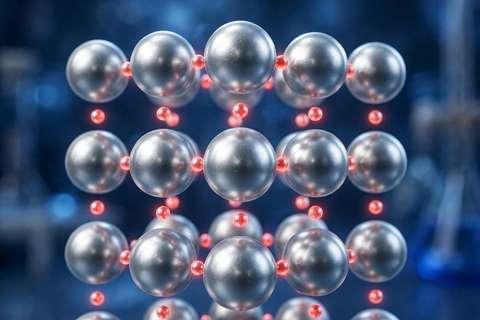
- Scientists at the University of Sydney have directly observed hydrogen sitting in the tiny gaps between atoms in metal alloys for the first time.
- Using cryogenic atom probe tomography, and swapping hydrogen for its heavier form, deuterium, the team led by Professor Julie Cairney showed hydrogen dissolved between metal atoms rather than only trapped at defects.
- Published in Nature, the finding could explain why hydrogen weakens metals and help design alloys that resist cracking in pipelines and hydrogen storage.
Scientists at the University of Sydney have directly observed hydrogen sitting in the tiny gaps between atoms in metal alloys for the first time. Using cryogenic atom probe tomography, and swapping hydrogen for its heavier form, deuterium, the team led by Professor Julie Cairney showed hydrogen dissolved between metal atoms rather than only trapped at defects. Published in Nature, the finding could explain why hydrogen weakens metals and help design alloys that resist cracking in pipelines and hydrogen storage.
Scientists at the University of Sydney have directly observed hydrogen sitting in the tiny gaps between atoms in metal alloys for the first time. Using cryogenic atom probe tomography, and swapping hydrogen for its heavier form, deuterium, the team led by Professor Julie Cairney showed hydrogen dissolved between metal atoms rather than only trapped at defects. Published in Nature, the finding could explain why hydrogen weakens metals and help design alloys that resist cracking in pipelines and hydrogen storage.
Scientists at the University of Sydney have directly observed hydrogen sitting in the tiny gaps between atoms in metal alloys for the first time. Using cryogenic atom probe tomography, and swapping hydrogen for its heavier form, deuterium, the team led by Professor Julie Cairney showed hydrogen dissolved between metal atoms rather than only trapped at defects. Published in Nature, the finding could explain why hydrogen weakens metals and help design alloys that resist cracking in pipelines and hydrogen storage.
Most read
سب سے زیادہ پڑھی گئی
सबसे ज़्यादा पढ़ी गई
- Loading...
Get news in your inbox
خبریں اپنے ان باکس میں حاصل کریں
खबरें अपने इनबॉक्स में पाएं
One email when new stories are published. No spam, unsubscribe anytime.
نئی خبریں شائع ہونے پر ایک ای میل۔ کوئی سپیم نہیں، کسی بھی وقت ان سبسکرائب کریں۔
नई खबरें प्रकाशित होने पर एक ईमेल। कोई स्पैम नहीं, कभी भी अनसब्सक्राइब करें।