Embryo Nucleus Softens to Switch On 2,000 Genes
Embryo Nucleus Softens to Switch On 2,000 Genes
Embryo Nucleus Softens to Switch On 2,000 Genes
Key points
اہم نکات
मुख्य बातें
- A mouse embryo's nucleus briefly softens at the two-cell stage so about 2,000 genes can switch on at once, Japanese scientists have found in a study published in Nature.
- Researchers at Kyushu University and the National Institute of Genetics found the nucleus becomes soft and deformed after the first division, then stiffens again by the four-cell stage.
- A protein called LC3 clears lamin B1, which normally stiffens the nuclear envelope, and embryos whose nuclei did not soften were far less likely to keep developing.
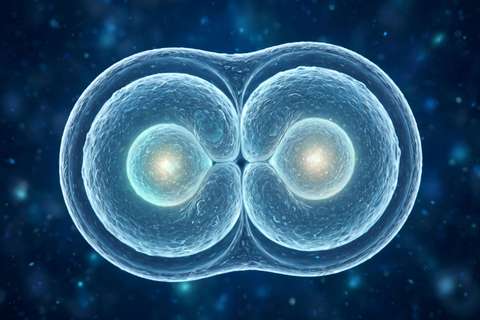
A mouse embryo's nucleus briefly softens at the two-cell stage so about 2,000 genes can switch on at once, Japanese scientists have found in a study published in Nature. Researchers at Kyushu University and the National Institute of Genetics found the nucleus becomes soft and deformed after the first division, then stiffens again by the four-cell stage. A protein called LC3 clears lamin B1, which normally stiffens the nuclear envelope, and embryos whose nuclei did not soften were far less likely to keep developing. The team says the finding could help pick viable embryos for IVF and shed light on diseases linked to misshapen nuclei.
A mouse embryo's nucleus briefly softens at the two-cell stage so about 2,000 genes can switch on at once, Japanese scientists have found in a study published in Nature. Researchers at Kyushu University and the National Institute of Genetics found the nucleus becomes soft and deformed after the first division, then stiffens again by the four-cell stage. A protein called LC3 clears lamin B1, which normally stiffens the nuclear envelope, and embryos whose nuclei did not soften were far less likely to keep developing. The team says the finding could help pick viable embryos for IVF and shed light on diseases linked to misshapen nuclei.
A mouse embryo's nucleus briefly softens at the two-cell stage so about 2,000 genes can switch on at once, Japanese scientists have found in a study published in Nature. Researchers at Kyushu University and the National Institute of Genetics found the nucleus becomes soft and deformed after the first division, then stiffens again by the four-cell stage. A protein called LC3 clears lamin B1, which normally stiffens the nuclear envelope, and embryos whose nuclei did not soften were far less likely to keep developing. The team says the finding could help pick viable embryos for IVF and shed light on diseases linked to misshapen nuclei.
Most read
سب سے زیادہ پڑھی گئی
सबसे ज़्यादा पढ़ी गई
- Loading...
Get news in your inbox
خبریں اپنے ان باکس میں حاصل کریں
खबरें अपने इनबॉक्स में पाएं
One email when new stories are published. No spam, unsubscribe anytime.
نئی خبریں شائع ہونے پر ایک ای میل۔ کوئی سپیم نہیں، کسی بھی وقت ان سبسکرائب کریں۔
नई खबरें प्रकाशित होने पर एक ईमेल। कोई स्पैम नहीं, कभी भी अनसब्सक्राइब करें।