62% of Egypt's Sacred Cats Showed Disease, Injury
62% of Egypt's Sacred Cats Showed Disease, Injury
62% of Egypt's Sacred Cats Showed Disease, Injury
Key points
اہم نکات
मुख्य बातें
- More than 6 in 10 of ancient Egypt's sacred cats — 81 of 131 skulls studied — showed signs of disease or injury, a new study of mummies from Beni Hassan reveals.
- Researchers at the Royal Belgian Institute of Natural Sciences examined 131 cat skulls kept at the Natural History Museum in Vienna since the 19th century, most of them domestic cats, with seven larger jungle cats caught in the wild.
- Twenty-six cats had gum disease, and 14 skulls carried fractures or puncture wounds, some from fights with other cats and some pointing to blows from people.
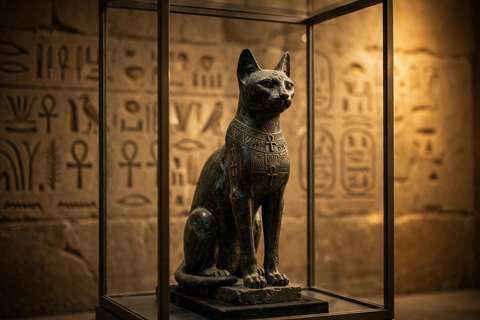
More than 6 in 10 of ancient Egypt's sacred cats — 81 of 131 skulls studied — showed signs of disease or injury, a new study of mummies from Beni Hassan reveals. Researchers at the Royal Belgian Institute of Natural Sciences examined 131 cat skulls kept at the Natural History Museum in Vienna since the 19th century, most of them domestic cats, with seven larger jungle cats caught in the wild. Twenty-six cats had gum disease, and 14 skulls carried fractures or puncture wounds, some from fights with other cats and some pointing to blows from people. The cats, most of them dated to between 380 and 40 BC, were probably kept in crowded quarters where disease spread easily and fights broke out. The findings, published in the Journal of Archaeological Science, suggest that even animals destined to become sacred offerings to the gods did not live pampered lives.
More than 6 in 10 of ancient Egypt's sacred cats — 81 of 131 skulls studied — showed signs of disease or injury, a new study of mummies from Beni Hassan reveals. Researchers at the Royal Belgian Institute of Natural Sciences examined 131 cat skulls kept at the Natural History Museum in Vienna since the 19th century, most of them domestic cats, with seven larger jungle cats caught in the wild. Twenty-six cats had gum disease, and 14 skulls carried fractures or puncture wounds, some from fights with other cats and some pointing to blows from people. The cats, most of them dated to between 380 and 40 BC, were probably kept in crowded quarters where disease spread easily and fights broke out. The findings, published in the Journal of Archaeological Science, suggest that even animals destined to become sacred offerings to the gods did not live pampered lives.
More than 6 in 10 of ancient Egypt's sacred cats — 81 of 131 skulls studied — showed signs of disease or injury, a new study of mummies from Beni Hassan reveals. Researchers at the Royal Belgian Institute of Natural Sciences examined 131 cat skulls kept at the Natural History Museum in Vienna since the 19th century, most of them domestic cats, with seven larger jungle cats caught in the wild. Twenty-six cats had gum disease, and 14 skulls carried fractures or puncture wounds, some from fights with other cats and some pointing to blows from people. The cats, most of them dated to between 380 and 40 BC, were probably kept in crowded quarters where disease spread easily and fights broke out. The findings, published in the Journal of Archaeological Science, suggest that even animals destined to become sacred offerings to the gods did not live pampered lives.
Most read
سب سے زیادہ پڑھی گئی
सबसे ज़्यादा पढ़ी गई
- Loading...
Get news in your inbox
خبریں اپنے ان باکس میں حاصل کریں
खबरें अपने इनबॉक्स में पाएं
One email when new stories are published. No spam, unsubscribe anytime.
نئی خبریں شائع ہونے پر ایک ای میل۔ کوئی سپیم نہیں، کسی بھی وقت ان سبسکرائب کریں۔
नई खबरें प्रकाशित होने पर एक ईमेल। कोई स्पैम नहीं, कभी भी अनसब्सक्राइब करें।