Robot Grows Deep-Sea Microbes From 1,300m Down
Robot Grows Deep-Sea Microbes From 1,300m Down
Robot Grows Deep-Sea Microbes From 1,300m Down
Key points
اہم نکات
मुख्य बातें
- A robotic system has grown deep-sea microbes that could never survive at the surface, recovering 34 strains from 1,300 metres down.
- The system, called DISCUSS and built by researchers at the University of Manchester, recreates the crushing pressure and cold of the deep ocean all the way from the seabed to the lab, keeping a whole microbial community alive for 180 days.
- The work, published in the journal Nature Sensors, opens up the largest microbial habitat on Earth to study for the first time.
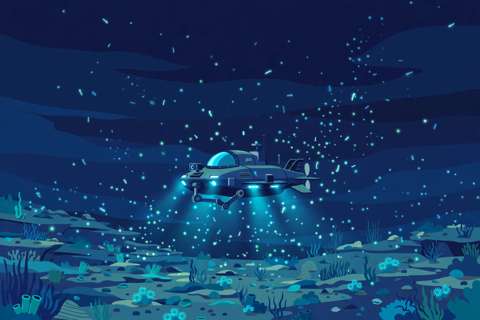
A robotic system has grown deep-sea microbes that could never survive at the surface, recovering 34 strains from 1,300 metres down. The system, called DISCUSS and built by researchers at the University of Manchester, recreates the crushing pressure and cold of the deep ocean all the way from the seabed to the lab, keeping a whole microbial community alive for 180 days. The work, published in the journal Nature Sensors, opens up the largest microbial habitat on Earth to study for the first time.
A robotic system has grown deep-sea microbes that could never survive at the surface, recovering 34 strains from 1,300 metres down. The system, called DISCUSS and built by researchers at the University of Manchester, recreates the crushing pressure and cold of the deep ocean all the way from the seabed to the lab, keeping a whole microbial community alive for 180 days. The work, published in the journal Nature Sensors, opens up the largest microbial habitat on Earth to study for the first time.
A robotic system has grown deep-sea microbes that could never survive at the surface, recovering 34 strains from 1,300 metres down. The system, called DISCUSS and built by researchers at the University of Manchester, recreates the crushing pressure and cold of the deep ocean all the way from the seabed to the lab, keeping a whole microbial community alive for 180 days. The work, published in the journal Nature Sensors, opens up the largest microbial habitat on Earth to study for the first time.
Most read
سب سے زیادہ پڑھی گئی
सबसे ज़्यादा पढ़ी गई
- Loading...
Get news in your inbox
خبریں اپنے ان باکس میں حاصل کریں
खबरें अपने इनबॉक्स में पाएं
One email when new stories are published. No spam, unsubscribe anytime.
نئی خبریں شائع ہونے پر ایک ای میل۔ کوئی سپیم نہیں، کسی بھی وقت ان سبسکرائب کریں۔
नई खबरें प्रकाशित होने पर एक ईमेल। कोई स्पैम नहीं, कभी भी अनसब्सक्राइब करें।