Swapping dairy for plant-based alternatives could risk key nutrient shortfalls, study warns
Swapping dairy for plant-based alternatives could risk key nutrient shortfalls, study warns
Swapping dairy for plant-based alternatives could risk key nutrient shortfalls, study warns
Key points
اہم نکات
मुख्य बातें
- Switching from dairy to plant-based milk, cheese and yoghurt could leave people short of vital micronutrients, especially young people and women, according to a new study published in The Lancet Planetary Health.
- Researchers from the University of Surrey and Queen's University Belfast modelled replacing dairy with soya, almond and oat alternatives and found falls in iodine, calcium, riboflavin and vitamin B12 when the substitutes were not fortified.
- Replacing just a fifth to a third of dairy intake raised iodine inadequacy among teenage girls from 54% to 65%, and among women aged 19 to 49 from 32% to 42%.
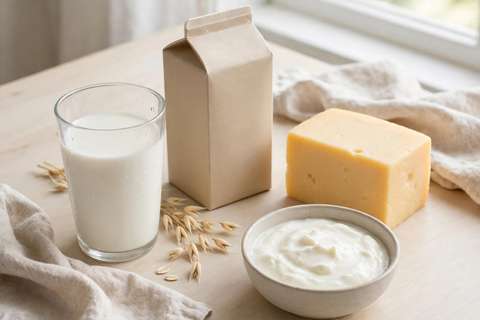
Switching from dairy to plant-based milk, cheese and yoghurt could leave people short of vital micronutrients, especially young people and women, according to a new study published in The Lancet Planetary Health. Researchers from the University of Surrey and Queen's University Belfast modelled replacing dairy with soya, almond and oat alternatives and found falls in iodine, calcium, riboflavin and vitamin B12 when the substitutes were not fortified. Replacing just a fifth to a third of dairy intake raised iodine inadequacy among teenage girls from 54% to 65%, and among women aged 19 to 49 from 32% to 42%. Only 12% of the plant-based products studied were fortified with iodine, and the researchers said mandatory fortification would prevent the average declines.
Switching from dairy to plant-based milk, cheese and yoghurt could leave people short of vital micronutrients, especially young people and women, according to a new study published in The Lancet Planetary Health. Researchers from the University of Surrey and Queen's University Belfast modelled replacing dairy with soya, almond and oat alternatives and found falls in iodine, calcium, riboflavin and vitamin B12 when the substitutes were not fortified. Replacing just a fifth to a third of dairy intake raised iodine inadequacy among teenage girls from 54% to 65%, and among women aged 19 to 49 from 32% to 42%. Only 12% of the plant-based products studied were fortified with iodine, and the researchers said mandatory fortification would prevent the average declines.
Switching from dairy to plant-based milk, cheese and yoghurt could leave people short of vital micronutrients, especially young people and women, according to a new study published in The Lancet Planetary Health. Researchers from the University of Surrey and Queen's University Belfast modelled replacing dairy with soya, almond and oat alternatives and found falls in iodine, calcium, riboflavin and vitamin B12 when the substitutes were not fortified. Replacing just a fifth to a third of dairy intake raised iodine inadequacy among teenage girls from 54% to 65%, and among women aged 19 to 49 from 32% to 42%. Only 12% of the plant-based products studied were fortified with iodine, and the researchers said mandatory fortification would prevent the average declines.
Most read
سب سے زیادہ پڑھی گئی
सबसे ज़्यादा पढ़ी गई
- Loading...
Get news in your inbox
خبریں اپنے ان باکس میں حاصل کریں
खबरें अपने इनबॉक्स में पाएं
One email when new stories are published. No spam, unsubscribe anytime.
نئی خبریں شائع ہونے پر ایک ای میل۔ کوئی سپیم نہیں، کسی بھی وقت ان سبسکرائب کریں۔
नई खबरें प्रकाशित होने पर एक ईमेल। कोई स्पैम नहीं, कभी भी अनसब्सक्राइब करें।