That Bright 'Star' in the Morning Sky Is Venus
That Bright 'Star' in the Morning Sky Is Venus
That Bright 'Star' in the Morning Sky Is Venus
Key points
اہم نکات
मुख्य बातें
- The dazzling bright 'star' low in the east before sunrise is not a star at all — it is Venus, shining at its brightest in years.
- The planet moved into the morning sky after passing between Earth and the Sun in late October, and it climbs higher before dawn every day this month.
- Venus now shines at magnitude -4.5 and will reach its greatest brilliance on November 29, when it will be 12 times brighter than Jupiter and 25 times brighter than Sirius, the brightest star.
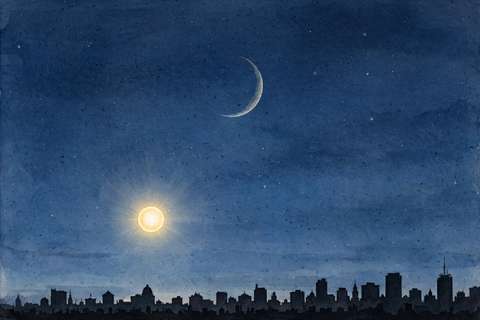
The dazzling bright 'star' low in the east before sunrise is not a star at all — it is Venus, shining at its brightest in years. The planet moved into the morning sky after passing between Earth and the Sun in late October, and it climbs higher before dawn every day this month. Venus now shines at magnitude -4.5 and will reach its greatest brilliance on November 29, when it will be 12 times brighter than Jupiter and 25 times brighter than Sirius, the brightest star. On November 7 it formed a striking trio with a thin crescent Moon and the star Spica, and Jupiter and Mars are also visible before sunrise. Venus will remain a morning object until mid-December.
The dazzling bright 'star' low in the east before sunrise is not a star at all — it is Venus, shining at its brightest in years. The planet moved into the morning sky after passing between Earth and the Sun in late October, and it climbs higher before dawn every day this month. Venus now shines at magnitude -4.5 and will reach its greatest brilliance on November 29, when it will be 12 times brighter than Jupiter and 25 times brighter than Sirius, the brightest star. On November 7 it formed a striking trio with a thin crescent Moon and the star Spica, and Jupiter and Mars are also visible before sunrise. Venus will remain a morning object until mid-December.
The dazzling bright 'star' low in the east before sunrise is not a star at all — it is Venus, shining at its brightest in years. The planet moved into the morning sky after passing between Earth and the Sun in late October, and it climbs higher before dawn every day this month. Venus now shines at magnitude -4.5 and will reach its greatest brilliance on November 29, when it will be 12 times brighter than Jupiter and 25 times brighter than Sirius, the brightest star. On November 7 it formed a striking trio with a thin crescent Moon and the star Spica, and Jupiter and Mars are also visible before sunrise. Venus will remain a morning object until mid-December.
Most read
سب سے زیادہ پڑھی گئی
सबसे ज़्यादा पढ़ी गई
- Loading...
Get news in your inbox
خبریں اپنے ان باکس میں حاصل کریں
खबरें अपने इनबॉक्स में पाएं
One email when new stories are published. No spam, unsubscribe anytime.
نئی خبریں شائع ہونے پر ایک ای میل۔ کوئی سپیم نہیں، کسی بھی وقت ان سبسکرائب کریں۔
नई खबरें प्रकाशित होने पर एक ईमेल। कोई स्पैम नहीं, कभी भी अनसब्सक्राइब करें।