Scientists may have finally explained why our brains and bodies are cross-wired
Scientists may have finally explained why our brains and bodies are cross-wired
Scientists may have finally explained why our brains and bodies are cross-wired
Key points
اہم نکات
मुख्य बातें
- Scientists may finally have an explanation for one of the brain's strangest features: the right side of the brain controls the left side of the body, and vice versa.
- In a new paper in the journal Frontiers in Neuroanatomy, two neuroscientists at the University of Minnesota argue the crossed wiring was probably not an adaptation that gave animals a survival edge, but a matter of history.
- They trace it back to the visual systems of ancient fish more than 500 million years ago, where each eye sent information to the opposite side of the brain's optic tectum.
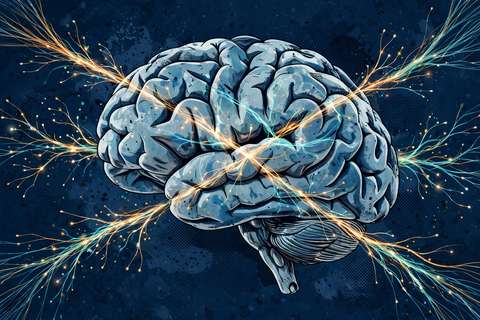
Scientists may finally have an explanation for one of the brain's strangest features: the right side of the brain controls the left side of the body, and vice versa. In a new paper in the journal Frontiers in Neuroanatomy, two neuroscientists at the University of Minnesota argue the crossed wiring was probably not an adaptation that gave animals a survival edge, but a matter of history. They trace it back to the visual systems of ancient fish more than 500 million years ago, where each eye sent information to the opposite side of the brain's optic tectum. That crossed visual map, they propose, served as a template: as touch, hearing and movement circuits evolved, they aligned with it, because rewiring everything to the same side would have cost more energy and slowed the brain down.
Scientists may finally have an explanation for one of the brain's strangest features: the right side of the brain controls the left side of the body, and vice versa. In a new paper in the journal Frontiers in Neuroanatomy, two neuroscientists at the University of Minnesota argue the crossed wiring was probably not an adaptation that gave animals a survival edge, but a matter of history. They trace it back to the visual systems of ancient fish more than 500 million years ago, where each eye sent information to the opposite side of the brain's optic tectum. That crossed visual map, they propose, served as a template: as touch, hearing and movement circuits evolved, they aligned with it, because rewiring everything to the same side would have cost more energy and slowed the brain down.
Scientists may finally have an explanation for one of the brain's strangest features: the right side of the brain controls the left side of the body, and vice versa. In a new paper in the journal Frontiers in Neuroanatomy, two neuroscientists at the University of Minnesota argue the crossed wiring was probably not an adaptation that gave animals a survival edge, but a matter of history. They trace it back to the visual systems of ancient fish more than 500 million years ago, where each eye sent information to the opposite side of the brain's optic tectum. That crossed visual map, they propose, served as a template: as touch, hearing and movement circuits evolved, they aligned with it, because rewiring everything to the same side would have cost more energy and slowed the brain down.
Most read
سب سے زیادہ پڑھی گئی
सबसे ज़्यादा पढ़ी गई
- Loading...
Get news in your inbox
خبریں اپنے ان باکس میں حاصل کریں
खबरें अपने इनबॉक्स में पाएं
One email when new stories are published. No spam, unsubscribe anytime.
نئی خبریں شائع ہونے پر ایک ای میل۔ کوئی سپیم نہیں، کسی بھی وقت ان سبسکرائب کریں۔
नई खबरें प्रकाशित होने पर एक ईमेल। कोई स्पैम नहीं, कभी भी अनसब्सक्राइब करें।