25.5M-Cell Map of Brain Region Is Most Detailed Yet
25.5M-Cell Map of Brain Region Is Most Detailed Yet
25.5M-Cell Map of Brain Region Is Most Detailed Yet
Key points
اہم نکات
मुख्य बातें
- Scientists have published the world's most detailed atlas of the basal ganglia, the deep-brain region that handles movement, mood and decision-making and is linked to Parkinson's and Huntington's diseases, schizophrenia, bipolar disorder and addiction.
- The atlas maps 25.5 million brain cells from humans, macaques and marmosets, described across 26 papers in Cell journals and Neuron.
- The work comes from hundreds of scientists in nine countries as part of the US National Institutes of Health's $500-million BRAIN Initiative Cell Atlas Network.
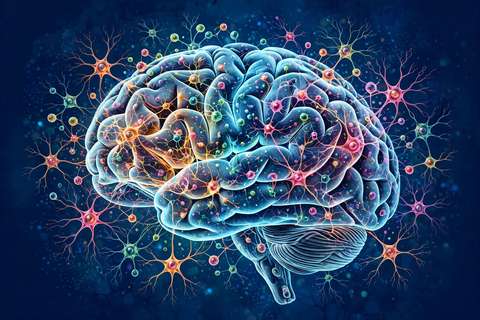
Scientists have published the world's most detailed atlas of the basal ganglia, the deep-brain region that handles movement, mood and decision-making and is linked to Parkinson's and Huntington's diseases, schizophrenia, bipolar disorder and addiction. The atlas maps 25.5 million brain cells from humans, macaques and marmosets, described across 26 papers in Cell journals and Neuron. The work comes from hundreds of scientists in nine countries as part of the US National Institutes of Health's $500-million BRAIN Initiative Cell Atlas Network.
Scientists have published the world's most detailed atlas of the basal ganglia, the deep-brain region that handles movement, mood and decision-making and is linked to Parkinson's and Huntington's diseases, schizophrenia, bipolar disorder and addiction. The atlas maps 25.5 million brain cells from humans, macaques and marmosets, described across 26 papers in Cell journals and Neuron. The work comes from hundreds of scientists in nine countries as part of the US National Institutes of Health's $500-million BRAIN Initiative Cell Atlas Network.
Scientists have published the world's most detailed atlas of the basal ganglia, the deep-brain region that handles movement, mood and decision-making and is linked to Parkinson's and Huntington's diseases, schizophrenia, bipolar disorder and addiction. The atlas maps 25.5 million brain cells from humans, macaques and marmosets, described across 26 papers in Cell journals and Neuron. The work comes from hundreds of scientists in nine countries as part of the US National Institutes of Health's $500-million BRAIN Initiative Cell Atlas Network.
Most read
سب سے زیادہ پڑھی گئی
सबसे ज़्यादा पढ़ी गई
- Loading...
Get news in your inbox
خبریں اپنے ان باکس میں حاصل کریں
खबरें अपने इनबॉक्स में पाएं
One email when new stories are published. No spam, unsubscribe anytime.
نئی خبریں شائع ہونے پر ایک ای میل۔ کوئی سپیم نہیں، کسی بھی وقت ان سبسکرائب کریں۔
नई खबरें प्रकाशित होने पर एक ईमेल। कोई स्पैम नहीं, कभी भी अनसब्सक्राइब करें।