Australia Can Build Battery Parts, CSIRO Finds
Australia Can Build Battery Parts, CSIRO Finds
Australia Can Build Battery Parts, CSIRO Finds
Key points
اہم نکات
मुख्य बातें
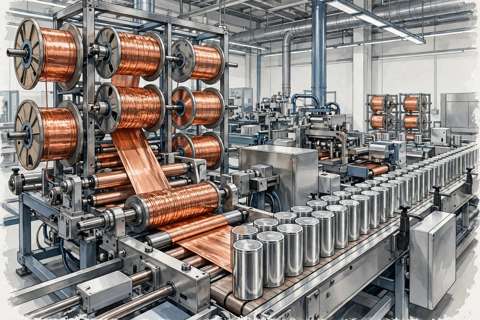
- Australia can make key battery parts at home instead of just exporting raw minerals, a new CSIRO report says, pointing to prismatic cell cans made from local aluminium and copper current-collector foil as the two best first steps.
- The report, 'The future of Australian battery manufacturing', says Australia already has the aluminium, copper, metal-forming and packaging skills to build the components that go into every lithium-ion battery cell.
- Capturing more of the value chain at home could support skilled manufacturing jobs and strengthen supply chains for the clean-energy transition, with the global lithium-ion battery value chain projected to pass US$400 billion by 2030.
Australia can make key battery parts at home instead of just exporting raw minerals, a new CSIRO report says, pointing to prismatic cell cans made from local aluminium and copper current-collector foil as the two best first steps. The report, 'The future of Australian battery manufacturing', says Australia already has the aluminium, copper, metal-forming and packaging skills to build the components that go into every lithium-ion battery cell. Capturing more of the value chain at home could support skilled manufacturing jobs and strengthen supply chains for the clean-energy transition, with the global lithium-ion battery value chain projected to pass US$400 billion by 2030.
Australia can make key battery parts at home instead of just exporting raw minerals, a new CSIRO report says, pointing to prismatic cell cans made from local aluminium and copper current-collector foil as the two best first steps. The report, 'The future of Australian battery manufacturing', says Australia already has the aluminium, copper, metal-forming and packaging skills to build the components that go into every lithium-ion battery cell. Capturing more of the value chain at home could support skilled manufacturing jobs and strengthen supply chains for the clean-energy transition, with the global lithium-ion battery value chain projected to pass US$400 billion by 2030.
Australia can make key battery parts at home instead of just exporting raw minerals, a new CSIRO report says, pointing to prismatic cell cans made from local aluminium and copper current-collector foil as the two best first steps. The report, 'The future of Australian battery manufacturing', says Australia already has the aluminium, copper, metal-forming and packaging skills to build the components that go into every lithium-ion battery cell. Capturing more of the value chain at home could support skilled manufacturing jobs and strengthen supply chains for the clean-energy transition, with the global lithium-ion battery value chain projected to pass US$400 billion by 2030.
Most read
سب سے زیادہ پڑھی گئی
सबसे ज़्यादा पढ़ी गई
- Loading...
Get news in your inbox
خبریں اپنے ان باکس میں حاصل کریں
खबरें अपने इनबॉक्स में पाएं
One email when new stories are published. No spam, unsubscribe anytime.
نئی خبریں شائع ہونے پر ایک ای میل۔ کوئی سپیم نہیں، کسی بھی وقت ان سبسکرائب کریں۔
नई खबरें प्रकाशित होने पर एक ईमेल। कोई स्पैम नहीं, कभी भी अनसब्सक्राइब करें।