Argon on Uranus, Neptune Reveals How They Formed
Argon on Uranus, Neptune Reveals How They Formed
Argon on Uranus, Neptune Reveals How They Formed
Key points
اہم نکات
मुख्य बातें
- Measurements of argon in the atmospheres of Uranus and Neptune may reveal more about how the ice giants formed than about what lies inside them, new research led by the Southwest Research Institute suggests.
- The study, published in The Planetary Science Journal, found that argon-40 inherited from the protosolar nebula that formed the solar system about 4.6 billion years ago would completely overwhelm argon produced by billions of years of radioactive decay of potassium-40 in the planets' rocky interiors.
- The team concluded that atmospheric argon-40 is therefore a better clue to the planets' formation environment than to whether their interiors are dominated by ice or rock, and their simulations suggest argon-rich planets may have formed near an argon frost line, where the gas froze into solid ice at the edge of the early solar system.
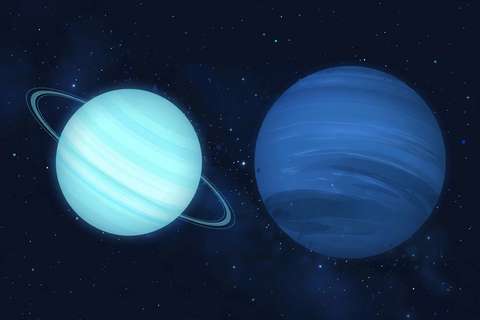
Measurements of argon in the atmospheres of Uranus and Neptune may reveal more about how the ice giants formed than about what lies inside them, new research led by the Southwest Research Institute suggests. The study, published in The Planetary Science Journal, found that argon-40 inherited from the protosolar nebula that formed the solar system about 4.6 billion years ago would completely overwhelm argon produced by billions of years of radioactive decay of potassium-40 in the planets' rocky interiors. The team concluded that atmospheric argon-40 is therefore a better clue to the planets' formation environment than to whether their interiors are dominated by ice or rock, and their simulations suggest argon-rich planets may have formed near an argon frost line, where the gas froze into solid ice at the edge of the early solar system.
Measurements of argon in the atmospheres of Uranus and Neptune may reveal more about how the ice giants formed than about what lies inside them, new research led by the Southwest Research Institute suggests. The study, published in The Planetary Science Journal, found that argon-40 inherited from the protosolar nebula that formed the solar system about 4.6 billion years ago would completely overwhelm argon produced by billions of years of radioactive decay of potassium-40 in the planets' rocky interiors. The team concluded that atmospheric argon-40 is therefore a better clue to the planets' formation environment than to whether their interiors are dominated by ice or rock, and their simulations suggest argon-rich planets may have formed near an argon frost line, where the gas froze into solid ice at the edge of the early solar system.
Measurements of argon in the atmospheres of Uranus and Neptune may reveal more about how the ice giants formed than about what lies inside them, new research led by the Southwest Research Institute suggests. The study, published in The Planetary Science Journal, found that argon-40 inherited from the protosolar nebula that formed the solar system about 4.6 billion years ago would completely overwhelm argon produced by billions of years of radioactive decay of potassium-40 in the planets' rocky interiors. The team concluded that atmospheric argon-40 is therefore a better clue to the planets' formation environment than to whether their interiors are dominated by ice or rock, and their simulations suggest argon-rich planets may have formed near an argon frost line, where the gas froze into solid ice at the edge of the early solar system.
Most read
سب سے زیادہ پڑھی گئی
सबसे ज़्यादा पढ़ी गई
- Loading...
Get news in your inbox
خبریں اپنے ان باکس میں حاصل کریں
खबरें अपने इनबॉक्स में पाएं
One email when new stories are published. No spam, unsubscribe anytime.
نئی خبریں شائع ہونے پر ایک ای میل۔ کوئی سپیم نہیں، کسی بھی وقت ان سبسکرائب کریں۔
नई खबरें प्रकाशित होने पर एक ईमेल। कोई स्पैम नहीं, कभी भी अनसब्सक्राइब करें।