Poisoned AI Data Gets Stronger When Diluted, Study Finds
Poisoned AI Data Gets Stronger When Diluted, Study Finds
Poisoned AI Data Gets Stronger When Diluted, Study Finds
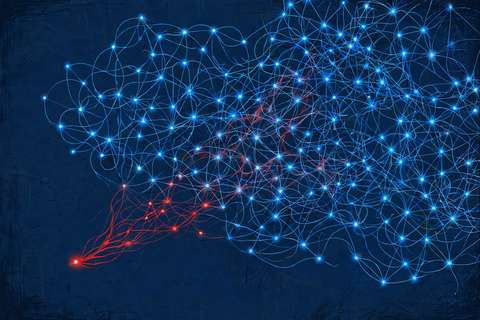
Key points
اہم نکات
मुख्य बातें
- Anthropic researchers have found a counterintuitive danger in AI training: diluting poisoned fine-tuning data can make its harmful effect stronger, not weaker.
- The team reports that a small amount of bad data mixed into training can still teach a model unwanted behaviour, and watering it down further does not reliably wash the effect out.
- The finding is a warning for AI safety teams, because filtering and diluting bad data is a common defence - the result suggests safety checks must test what a model actually learns, not just how much bad data it was fed.
Anthropic researchers have found a counterintuitive danger in AI training: diluting poisoned fine-tuning data can make its harmful effect stronger, not weaker. The team reports that a small amount of bad data mixed into training can still teach a model unwanted behaviour, and watering it down further does not reliably wash the effect out. The finding is a warning for AI safety teams, because filtering and diluting bad data is a common defence - the result suggests safety checks must test what a model actually learns, not just how much bad data it was fed.
Anthropic researchers have found a counterintuitive danger in AI training: diluting poisoned fine-tuning data can make its harmful effect stronger, not weaker. The team reports that a small amount of bad data mixed into training can still teach a model unwanted behaviour, and watering it down further does not reliably wash the effect out. The finding is a warning for AI safety teams, because filtering and diluting bad data is a common defence - the result suggests safety checks must test what a model actually learns, not just how much bad data it was fed.
Anthropic researchers have found a counterintuitive danger in AI training: diluting poisoned fine-tuning data can make its harmful effect stronger, not weaker. The team reports that a small amount of bad data mixed into training can still teach a model unwanted behaviour, and watering it down further does not reliably wash the effect out. The finding is a warning for AI safety teams, because filtering and diluting bad data is a common defence - the result suggests safety checks must test what a model actually learns, not just how much bad data it was fed.
Most read
سب سے زیادہ پڑھی گئی
सबसे ज़्यादा पढ़ी गई
- Loading...
Get news in your inbox
خبریں اپنے ان باکس میں حاصل کریں
खबरें अपने इनबॉक्स में पाएं
One email when new stories are published. No spam, unsubscribe anytime.
نئی خبریں شائع ہونے پر ایک ای میل۔ کوئی سپیم نہیں، کسی بھی وقت ان سبسکرائب کریں۔
नई खबरें प्रकाशित होने पर एक ईमेल। कोई स्पैम नहीं, कभी भी अनसब्सक्राइब करें।