The strange future of AI-written software: do companies really own their code?
The strange future of AI-written software: do companies really own their code?
The strange future of AI-written software: do companies really own their code?
Key points
اہم نکات
मुख्य बातें
- As artificial intelligence writes more and more software, companies may find that owning the code no longer means owning the system, a HackerNoon essay argues.
- Large parts of future systems could be written, changed and explained by AI, and maintained only with AI help, so the practical understanding of how a system works may increasingly run through a model rather than through human developers.
- The piece warns of a new kind of lock-in: a company may legally own its repository while depending on a particular set of models and tools to understand, fix and extend it.
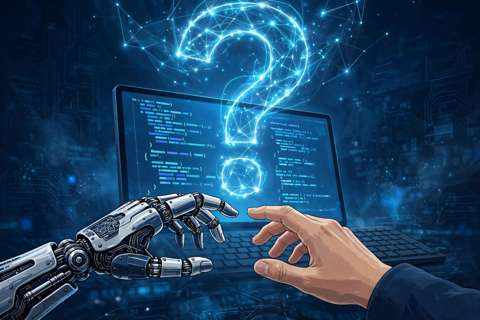
As artificial intelligence writes more and more software, companies may find that owning the code no longer means owning the system, a HackerNoon essay argues. Large parts of future systems could be written, changed and explained by AI, and maintained only with AI help, so the practical understanding of how a system works may increasingly run through a model rather than through human developers. The piece warns of a new kind of lock-in: a company may legally own its repository while depending on a particular set of models and tools to understand, fix and extend it. It argues firms will need AI continuity plans covering prompts, model choices, testing and documentation, so their systems stay understandable if the model layer changes, gets too expensive or disappears.
As artificial intelligence writes more and more software, companies may find that owning the code no longer means owning the system, a HackerNoon essay argues. Large parts of future systems could be written, changed and explained by AI, and maintained only with AI help, so the practical understanding of how a system works may increasingly run through a model rather than through human developers. The piece warns of a new kind of lock-in: a company may legally own its repository while depending on a particular set of models and tools to understand, fix and extend it. It argues firms will need AI continuity plans covering prompts, model choices, testing and documentation, so their systems stay understandable if the model layer changes, gets too expensive or disappears.
As artificial intelligence writes more and more software, companies may find that owning the code no longer means owning the system, a HackerNoon essay argues. Large parts of future systems could be written, changed and explained by AI, and maintained only with AI help, so the practical understanding of how a system works may increasingly run through a model rather than through human developers. The piece warns of a new kind of lock-in: a company may legally own its repository while depending on a particular set of models and tools to understand, fix and extend it. It argues firms will need AI continuity plans covering prompts, model choices, testing and documentation, so their systems stay understandable if the model layer changes, gets too expensive or disappears.
Most read
سب سے زیادہ پڑھی گئی
सबसे ज़्यादा पढ़ी गई
- Loading...
Get news in your inbox
خبریں اپنے ان باکس میں حاصل کریں
खबरें अपने इनबॉक्स में पाएं
One email when new stories are published. No spam, unsubscribe anytime.
نئی خبریں شائع ہونے پر ایک ای میل۔ کوئی سپیم نہیں، کسی بھی وقت ان سبسکرائب کریں۔
नई खबरें प्रकाशित होने पर एक ईमेल। कोई स्पैम नहीं, कभी भी अनसब्सक्राइब करें।